History & Identity
A thousand years on the Volga
8 min read
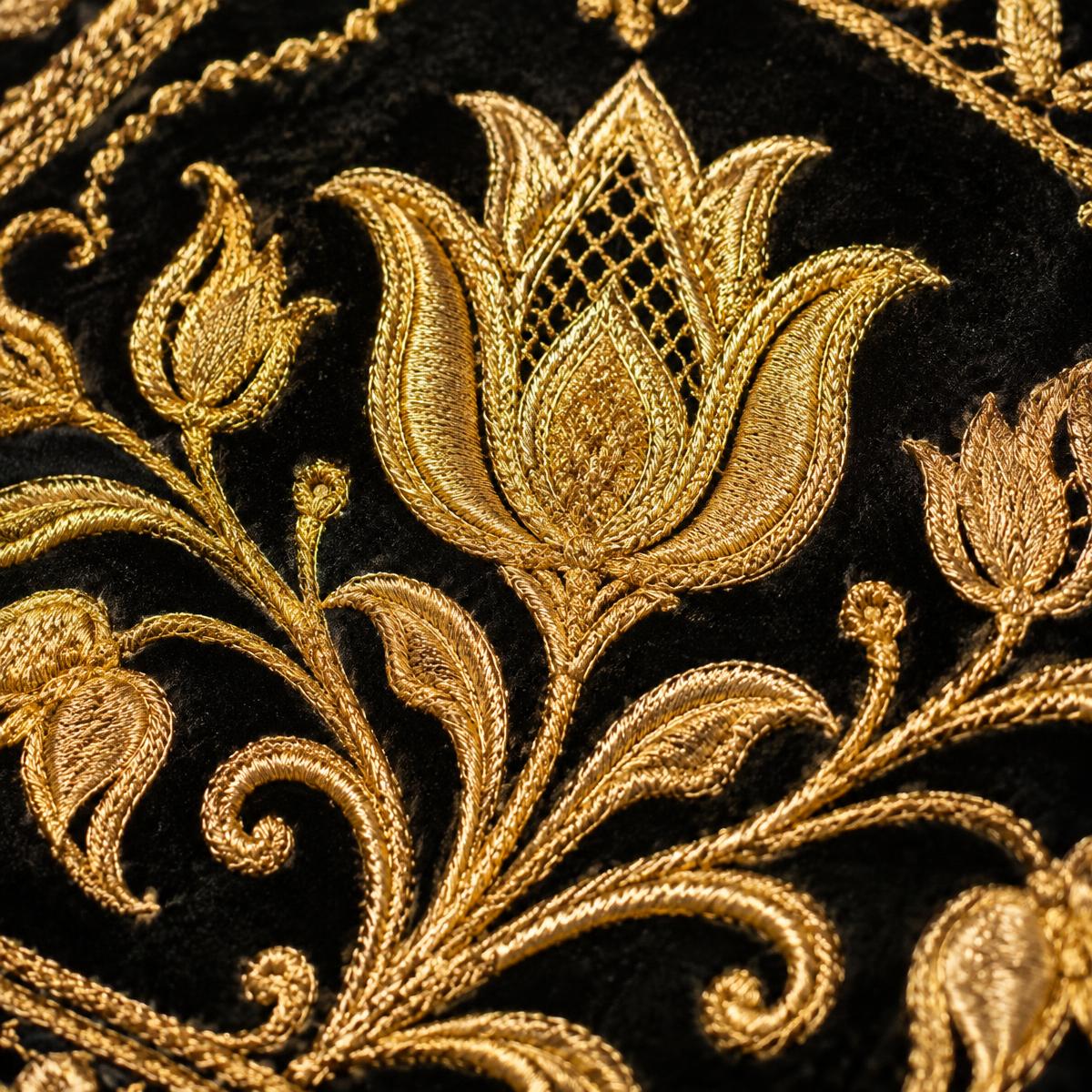
Understanding a Tatar woman means understanding that she comes from a people who have been a minority in their own land for nearly five centuries and have not dissolved. That stubbornness is not political for her; it is a personal quality, and you will meet it in how she keeps a promise.
Bulgaria, Islam, Kazan
Volga Bulgaria, the Turkic state at the confluence of the Volga and Kama, adopted Islam as its state religion in 922. After the Mongol conquest and the Golden Horde came the Kazan Khanate, a wealthy trading and scholarly centre until Ivan IV took Kazan in 1552 — the date Tatars still count from.
What followed was centuries of pressure: mosques destroyed, forced baptism campaigns, Tatar merchants and mullahs pushed to the margins. Islam and the language survived in villages, in family, and in trade networks that reached Central Asia and Siberia.
Jadidism: the reform that educated the daughters
In the late 19th century Tatar thinkers — Marjani, Gasprinsky, later Tuqay — built the Jadidist movement: Islamic reform through modern schooling, printing, journalism and, decisively, education for girls. Kazan became one of the great Muslim publishing centres of the world.
This is the direct ancestor of the thing foreign men find paradoxical today. Tatar culture did not have to choose between faith and university; it settled that argument a hundred and thirty years ago.
The Soviet century and after
The alphabet was changed twice in fifteen years — Arabic to Latin in 1927, Latin to Cyrillic in 1939 — cutting a literate people off from its own library. Mosques closed, clergy vanished, religion went into the kitchen. And yet Tatar continued to be spoken at home, and the moral code continued to be taught.
Since 1990 the Republic of Tatarstan has rebuilt: the Qolşärif Mosque stands again in the Kazan Kremlin beside the Orthodox cathedral, Tatar is taught and published, and the republic is among Russia's most prosperous regions.
The language
Tatar is a Kipchak Turkic language, close to Bashkir, mutually intelligible in part with Kazakh and Turkish vocabulary, written in Cyrillic with extra letters (ә, ө, ү, җ, ң, һ). Nearly everyone is fully bilingual in Russian.
Learn ten words before you arrive. 'Isänmesez' (hello), 'räxmät' (thank you), 'zinhar' (please), 'äybät' (good), 'tämle' (delicious). Say räxmät to her grandmother after tea and watch what happens in the room.
Private consultation
Questions about marrying a Tatar woman?
Write to our matchmaker with a short account of yourself and what you are looking for in a wife. Every enquiry is answered confidentially.
Ask Matchmaker