Faith & Modesty
No headscarf. Still an innocent girl.
10 min read
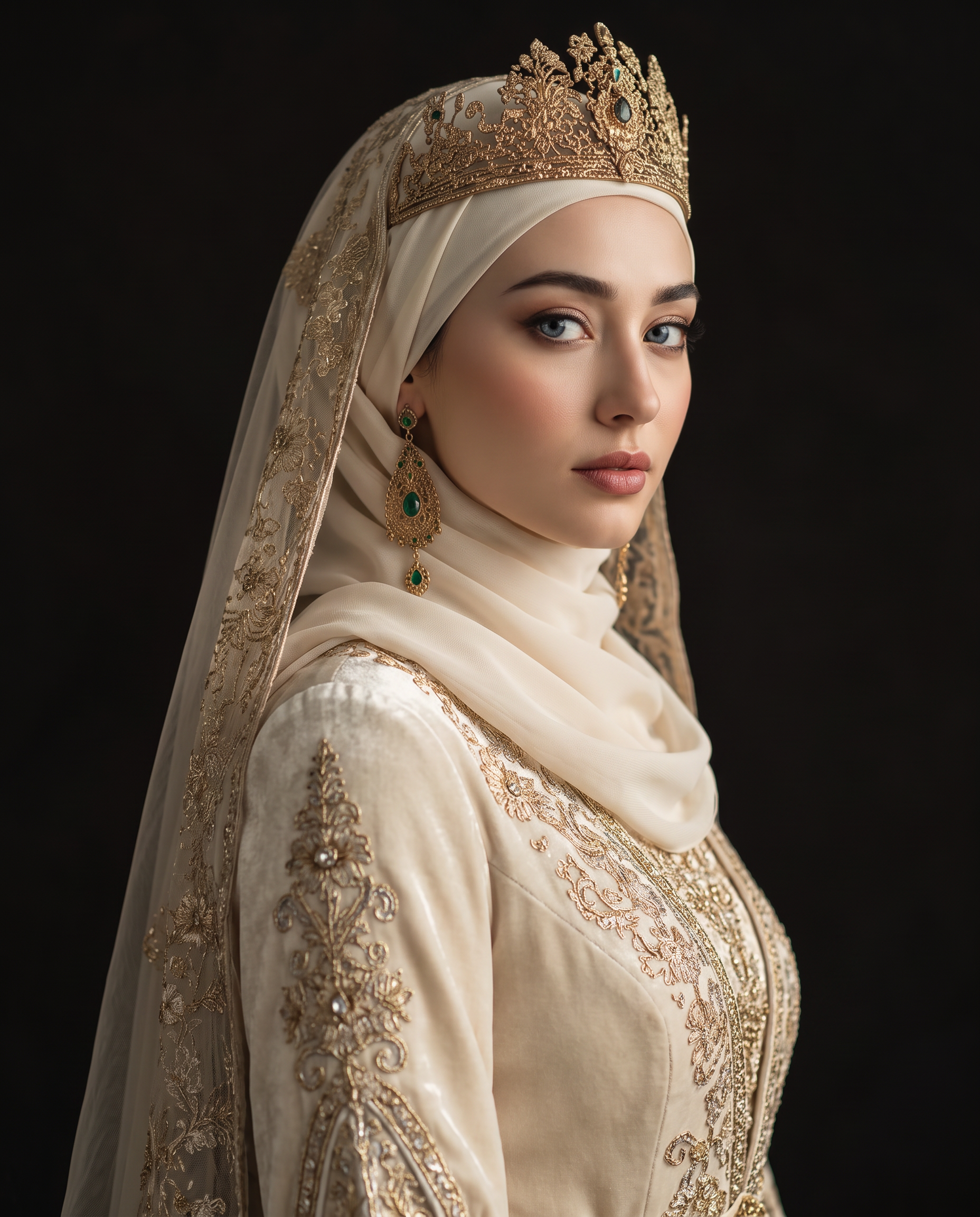
Tatar Islam is nearly eleven centuries old: Volga Bulgaria accepted Islam in 922, before much of Christian Europe had finished converting. Since then it has survived conquest in 1552, the Russian Empire, and seventy years of Soviet atheism — and the way it survived determines what it looks like now.
It survived indoors. Under the Soviet Union mosques were closed and open religiosity was dangerous, so faith retreated into the family: the grandmother's prayers, the fast kept without announcement, the refusal of pork and alcohol explained as habit, the Qur'an hidden in a chest. What emerged in the 1990s was a Muslim people whose religion is deeply moral and almost never demonstrative.
Ethics that were never a costume
This is why the outward markers a foreigner looks for are unreliable here. Many observant Tatar women do not cover their hair; many who cover do so only for prayer, mosque and village visits. The scarf is a devotional and cultural choice, not a licence plate for virtue.
What is consistent is behaviour: prayer where it is possible, fasting in Ramadan, halal food in the home, no alcohol, no gambling, charity to relatives, and — centrally — chastity before marriage and absolute loyalty after it.
Ğäyeb: the sense of shame as an installed instinct
The Tatar word ğäyeb covers shame, impropriety, the thing one does not do. It is taught not by lecture but by a thousand small corrections from mother and grandmother, beginning around the age of four or five: sit like this, do not laugh loudly in the street, do not accept that, come home at that hour, remember whose daughter you are.
Because it is installed that early, it does not behave like a rule that can be broken once a girl is free. It behaves like a reflex. It survives a university dormitory in another city, a career, foreign travel, and a wardrobe of ordinary modern clothes — which is exactly why an educated, modern-looking Tatar woman of twenty-eight can be, and often is, genuinely inexperienced.
Reputation is collective
In Tatar society a woman's reputation is not personally owned; it belongs to her parents, her brothers and her grandmother. Compromise it and you have not offended her alone. This is the practical safeguard behind the moral one, and it is why courtship here is conducted in public, in daylight, and with the family informed.
For a serious man this is protection, not restriction. The same structure that makes her difficult to seduce makes her extraordinarily faithful once married.
What this asks of you
You are not required to convert to marry a Tatar woman in a civil sense, but a Muslim nikah requires a Muslim husband, and most families expect it. At minimum you will be expected to respect the fast, keep alcohol out of the home, raise children in the faith, and never mock what her grandmother believes.
Men who treat this as a negotiation lose. Men who treat it as an inheritance they are joining are welcomed with a warmth that genuinely surprises them.
Private consultation
Questions about marrying a Tatar woman?
Write to our matchmaker with a short account of yourself and what you are looking for in a wife. Every enquiry is answered confidentially.
Ask Matchmaker