Nikah Centre
Essential questions about Islamic marriage
12 min read
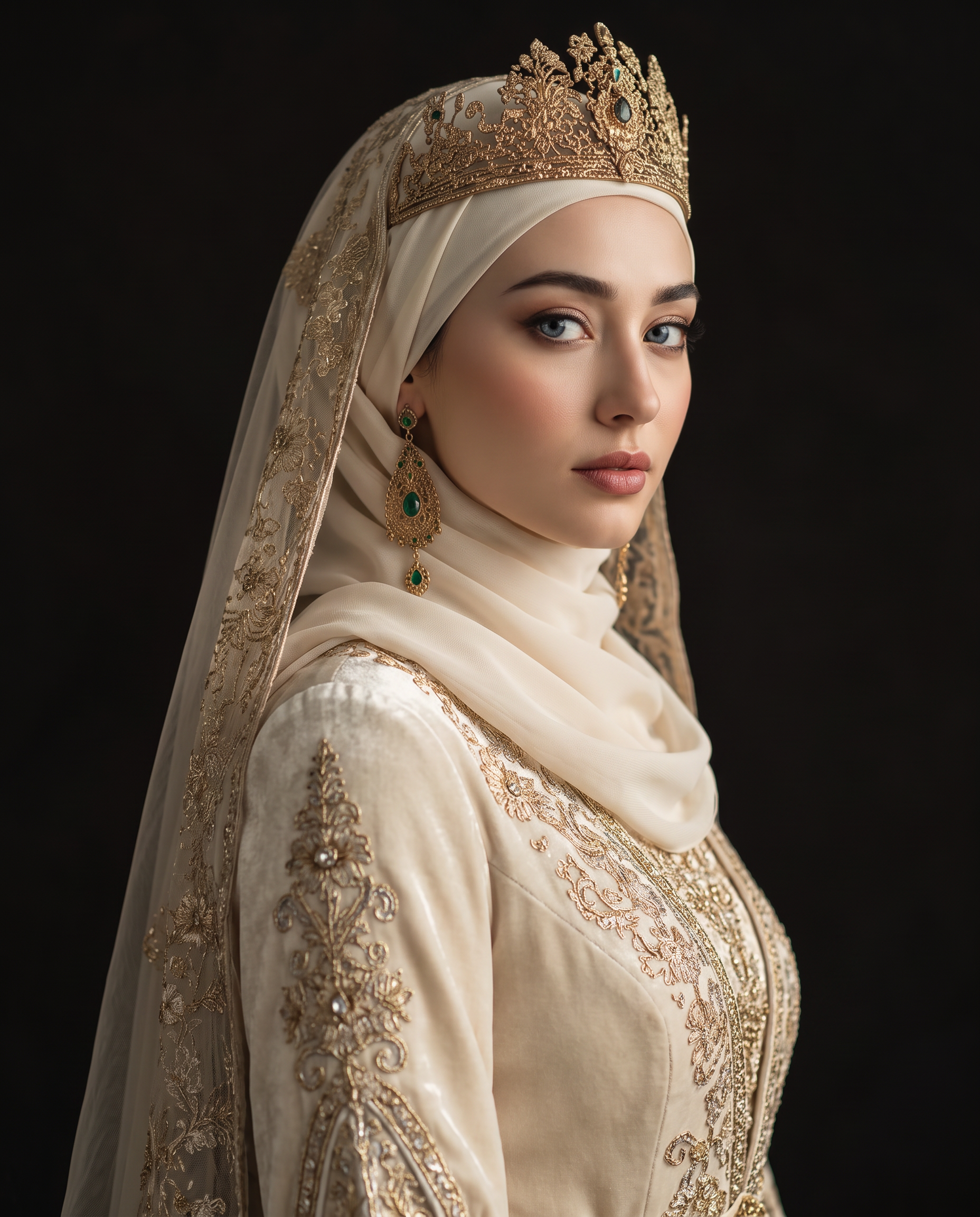
Nikah Centre is a practical starting point for men and women preparing for an Islamic marriage. Customs vary between communities and legal requirements vary between countries, but the central principles are consistent: free consent, clarity, witnesses, responsibility and a marriage entered openly rather than secretly.
This guide offers general information, not a personal fatwa or legal advice. Before fixing a date, confirm the religious details with the imam who will conduct the ceremony and the civil requirements with the relevant local authority.
What is Nikah?
Nikah is the Islamic marriage contract. It is not merely a blessing after a wedding and it is not an engagement. Through offer and acceptance, made with free consent and witnessed according to Islamic requirements, a man and woman become husband and wife and accept defined rights and duties toward one another.
A typical ceremony includes confirmation of identity and consent, agreement of the mahr—the gift or financial right belonging to the bride—witnesses, the contract, a short sermon and dua. The exact order and documentation can differ by mosque, school of law and local custom.
What is halal matchmaking?
Halal matchmaking is a marriage-minded introduction conducted with clear intentions and appropriate boundaries. It avoids casual intimacy, secrecy and endless private conversation. A matchmaker helps establish compatibility, identity and expectations before either person invests emotionally.
Family or a trusted guardian is involved at the appropriate stage, meetings remain respectful, and practical questions—faith, children, location, finances and previous marriages—are discussed early. Halal does not mean that two strangers must marry quickly; it means that the path to knowing one another is purposeful and accountable.
Is Nikah online valid?
Some scholars and mosques accept a remote Nikah when identities are securely verified, consent is heard in real time, the wali and witnesses can follow the same offer and acceptance, and there is no risk of impersonation. Others require the parties or their authorised representatives to be physically present. A video call by itself does not settle the question.
Ask the officiating imam before making plans. Also remember that a religious ceremony conducted online may not create a legally recognised marriage. Civil registration is a separate question governed by the country where the marriage is registered and where the couple will live.
How do I book Nikah in Moscow?
Begin with the mosque or imam you wish to use and ask for its current document list. Common requests include passports, proof of civil marriage or an appointment for civil registration, evidence of marital status, divorce or death certificates where relevant, details of the wali and witnesses, and an agreed mahr. Requirements can differ between Moscow mosques.
Foreign citizens should ask whether translations, notarisation or an interpreter are needed. Do not arrange travel around an assumed date until the mosque has confirmed eligibility, documents, language support and the status of the civil marriage.
How do I book Nikah online?
Choose a recognised imam or mosque rather than an anonymous ceremony service. Ask who will verify passports, how the bride's consent and wali are confirmed, who the witnesses are, which scholarly opinion the imam follows, what contract is issued and whether the ceremony has any civil effect.
A responsible provider will explain limitations before accepting payment. If the couple cannot meet the requirements for a direct remote ceremony, the imam may discuss representation by wakil, postponement until an in-person ceremony, or another valid arrangement suitable to their circumstances.
How is Nikah arranged in Tatarstan?
In Tatarstan, Nikah commonly brings the two families together at a mosque, home or private venue. Kazan families often combine established Hanafi practice with Tatar hospitality: an imam conducts the contract, the mahr is stated, elders offer prayers and advice, and a generous halal table follows.
A foreign groom should expect the family to value civil clarity, respectful communication and serious plans for residence and children. Contact the chosen Kazan mosque or imam directly for current requirements, especially where one party is a foreign citizen or recent convert.
How is Nikah arranged in Dagestan?
Dagestan contains several peoples and local traditions, so family custom can be especially important alongside religious requirements. Arrangements are normally made with the bride's family and a local imam, with close attention to consent, guardianship, witnesses, mahr and the couple's civil status.
Do not assume that a process used in Moscow or Kazan will be accepted unchanged. Ask the local mosque and both families what documents and meetings are expected, and allow time for translation or representation if the groom is from abroad.
What are consent, wali, witnesses and mahr?
The bride's free consent is indispensable; pressure from a family does not make coercion acceptable. The wali is the bride's guardian in the marriage process, with details differing between schools of Islamic law and personal circumstances. Witnesses must meet the requirements followed by the officiating imam and must understand the contract they witness.
Mahr belongs to the bride alone. It should be clearly agreed, realistic and recorded, including what is paid immediately and what is deferred. It is not a price paid to her parents and should never be left deliberately vague.
Does Nikah replace civil registration?
Usually, no. Nikah establishes a religious marriage, while civil registration establishes the legal status recognised by the state. Without civil registration, a spouse may lack protections involving inheritance, property, immigration, pensions, medical decisions or separation.
Responsible couples complete both where required. International couples should obtain qualified advice on which country should register the marriage and what documents will later be needed for visas, residence or recognition abroad.
How should we choose an imam?
Choose an imam known to a real community, willing to verify identity and consent, and prepared to explain his requirements in writing. He should ask careful questions rather than promise instant approval. For a cross-border marriage, experience with interpreters, converts and foreign documents is valuable.
Before paying any fee, confirm the date, location, participants, documents, cancellation terms and what certificate will be issued. A trustworthy imam will also state clearly whether the certificate is religious only or connected to civil registration.
Private consultation
Questions about marrying a Tatar woman?
Write to our matchmaker with a short account of yourself and what you are looking for in a wife. Every enquiry is answered confidentially.