Nikah preparation
Your Tatar Nikah ceremony: questions to settle before the day
4 min read
By Tatarstan Bride editorial team · Original illustrations, not client photographs
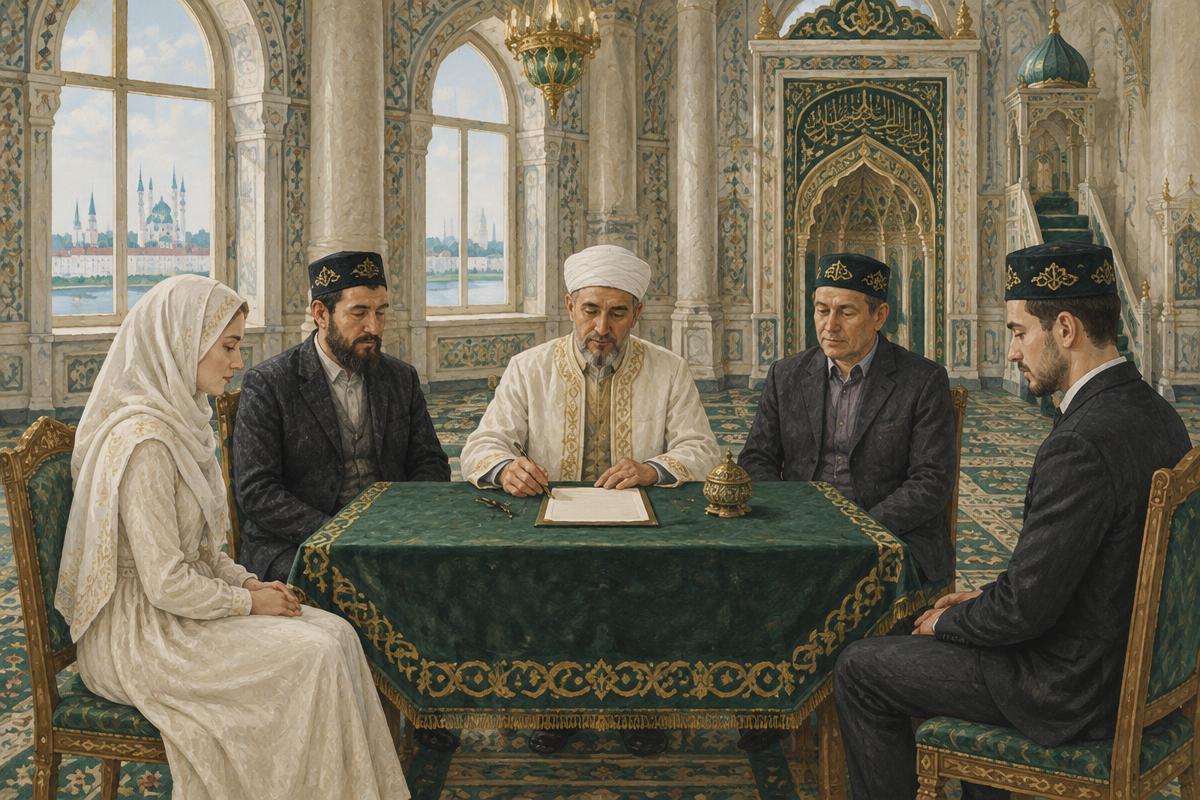
A Nikah ceremony can be quiet and beautiful. The most important preparation, though, happens before the clothing, photographs and meal: both people need to understand and freely accept the marriage agreement. A well-planned day should make that clear, not hide difficult questions.
This guide is a list of questions to take to your officiating imam. It is not a religious ruling. Requirements around guardianship, witnesses and remote participation can differ according to the scholarly approach and the couple's circumstances.
Choose an imam you can speak with directly
Use a recognised mosque or an imam connected to a real community. Ask who will actually conduct the ceremony and whether he can explain the process in a language you understand. The official Visit Tatarstan mosque guide can help you learn about local religious sites, but it is not a booking confirmation.
Ask about the document list, any fee, cancellation arrangements and whether prior civil registration is required. Get answers before paying for travel. Do not assume a famous mosque accepts every requested ceremony.
Make sure both people can give clear consent
Each person should be able to ask questions and make a decision without pressure. If one partner is unsure, postponing is better than proceeding to avoid embarrassing relatives. A family gathering cannot replace individual willingness.
Ask the imam how consent will be established and what arrangements apply to the wali, or guardian. Do not copy an online ceremony script and assume it resolves the requirements for your situation.
Agree the mahr in understandable terms
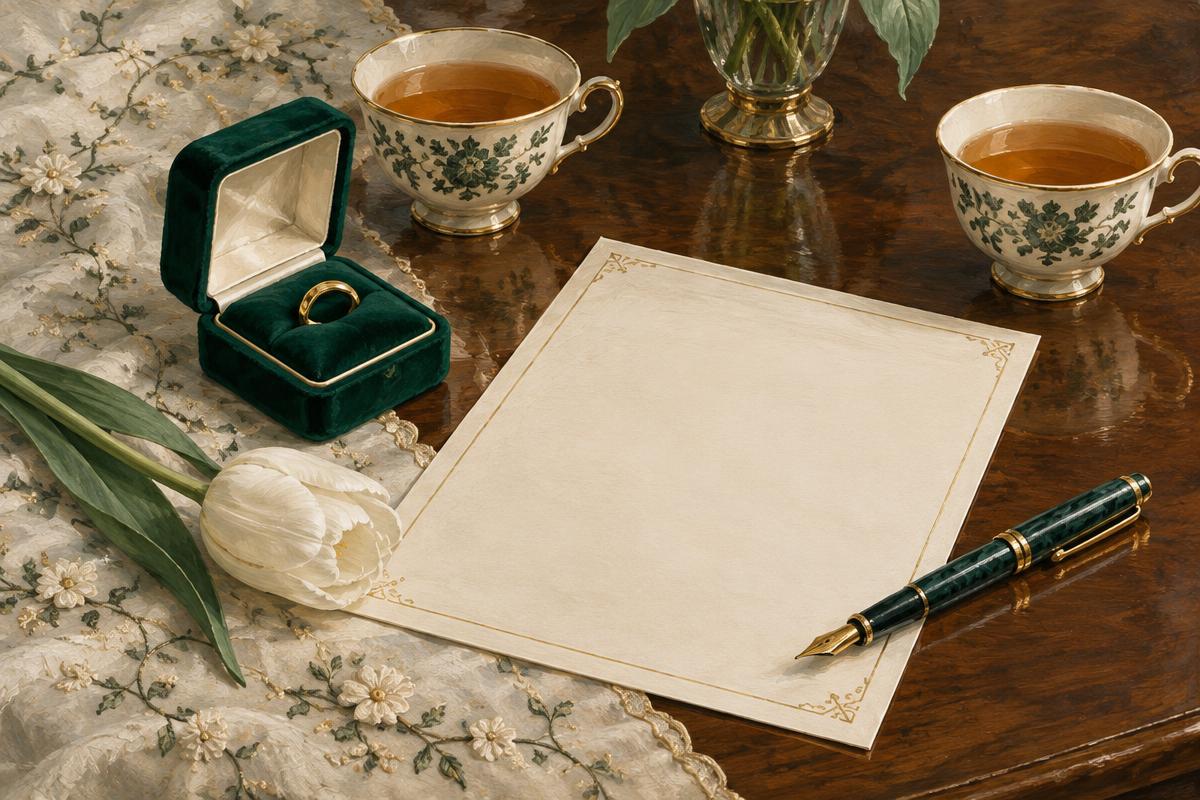
Mahr is the bride's agreed marriage gift or financial right. It belongs to her, not to her parents. Discuss the amount or item, when it is due and whether any part is deferred. A vague promise can create an avoidable disagreement later.
A ring in an illustration does not mean mahr must be jewellery. Ask the imam about an appropriate arrangement and how it should be recorded. Make sure the bride understands and agrees; a groom's surprise is not a substitute for an agreement.
Confirm witnesses, language and attendance
Ask the imam who qualifies as a witness under the approach he follows and who must be present. Confirm their names and availability rather than expecting the mosque to supply everyone on the day. Ask whether identification is needed.
If Tatar, Russian and English are involved, arrange reliable language support. Both partners should understand what is said and agreed. Remote attendance raises additional questions about identity, witnesses and the way the contract is made; ask the imam rather than assuming a video call is enough.
Keep civil registration on its own checklist
In Russia, the religious Nikah does not replace state marriage registration. Confirm the civil process with ZAGS and, for international couples, ask about recognition and residence requirements in the country where you plan to live.
Ask exactly what certificate the imam or mosque will issue. Do not describe a religious certificate as a spouse visa, a residence permit or a guarantee of legal protection. Keep copies of agreed documents securely and get professional advice where needed.
Use the week before for calm final checks
Confirm the address, time, participants, clothing expectations and any photography rules. Make sure the mahr arrangement and language support are understood. Keep the celebration simple enough that it does not distract from the marriage itself.
Then return to the bigger questions: housing, responsibilities, money, family contact and how you will handle disagreement. Being ready for a ceremony and being ready for married life are related—but they are not the same thing.
Sources and further reading
- Spiritual Administration of Muslims of Tatarstan: Nikah guidance (Russian)
- Visit Tatarstan: guide to the mosques of Tatarstan
- Republic of Tatarstan: official civil registry service
General information, not legal advice or a religious ruling. Family customs vary. Confirm current requirements with the relevant authority or your officiating imam.
Continue reading
Private consultation
Still at the introduction stage? Start there
Request a private consultation about finding a compatible partner and preparing for family conversations. Ceremony eligibility and religious questions should be confirmed with your imam.